Keep Full Details
Keep the variant name, gene, genotype, testing method, and laboratory information together. A genetic variant may be common, have a small effect, or depend on environmental factors.

At-home genetic testing can provide interesting information about genetic variants related to methylation, folate metabolism, vitamin D, or other biological pathways. But receiving a DNA result is only the beginning.
The next step is understanding what that result means in the context of your health, family history, symptoms, medications, and conventional laboratory tests. Whether you use OHIP in Ontario, MSP in British Columbia, AHCIP in Alberta, or another provincial plan, the best approach is to treat your at-home genetic results as supporting information, not a diagnosis.

Before your appointment, download and organize the complete report from your testing provider. Avoid showing your healthcare provider only a screenshot that says you have a particular “risk”—the full biological and genetic context matters.
Keep the variant name, gene, genotype, testing method, and laboratory information together. A genetic variant may be common, have a small effect, or depend on environmental factors.
If you have raw genetic data, bring it along, but do not expect your physician to interpret every raw-data entry during a standard appointment. Identify specific findings to discuss.
Instead of saying “My DNA test shows I have a methylation problem,” consider asking “Is this finding clinically meaningful in my situation?”
Communication Tip: Framing your results as a question gives your physician room to assess the finding alongside your medical history, current symptoms, and standard clinical evidence.
Public healthcare plans generally cover medically necessary physician services and certain laboratory services, but coverage for specialized genetic testing depends on the province, test, clinical indication, and ordering provider.
For example, Ontario states that OHIP covers medically necessary laboratory testing, while some specialized or non-routine tests have specific eligibility requirements. Pathological access programs include pathways for certain genetic testing when ordered through appropriate clinicians and performed by eligible laboratories.
Coverage rules also differ across Canada: someone in British Columbia must consider MSP-related eligibility, while an Alberta resident encounters different AHCIP referral processes. For more detail, see our guide to MTHFR testing in Canada: healthcare coverage vs. at-home kits.
Genetic results and blood tests answer different questions: A genetic test identifies an inherited variant, whereas a blood test measures your current physiological status (e.g., nutrients, blood counts, metabolic markers). A genetic variant does not automatically imply a current deficiency or functional issue.

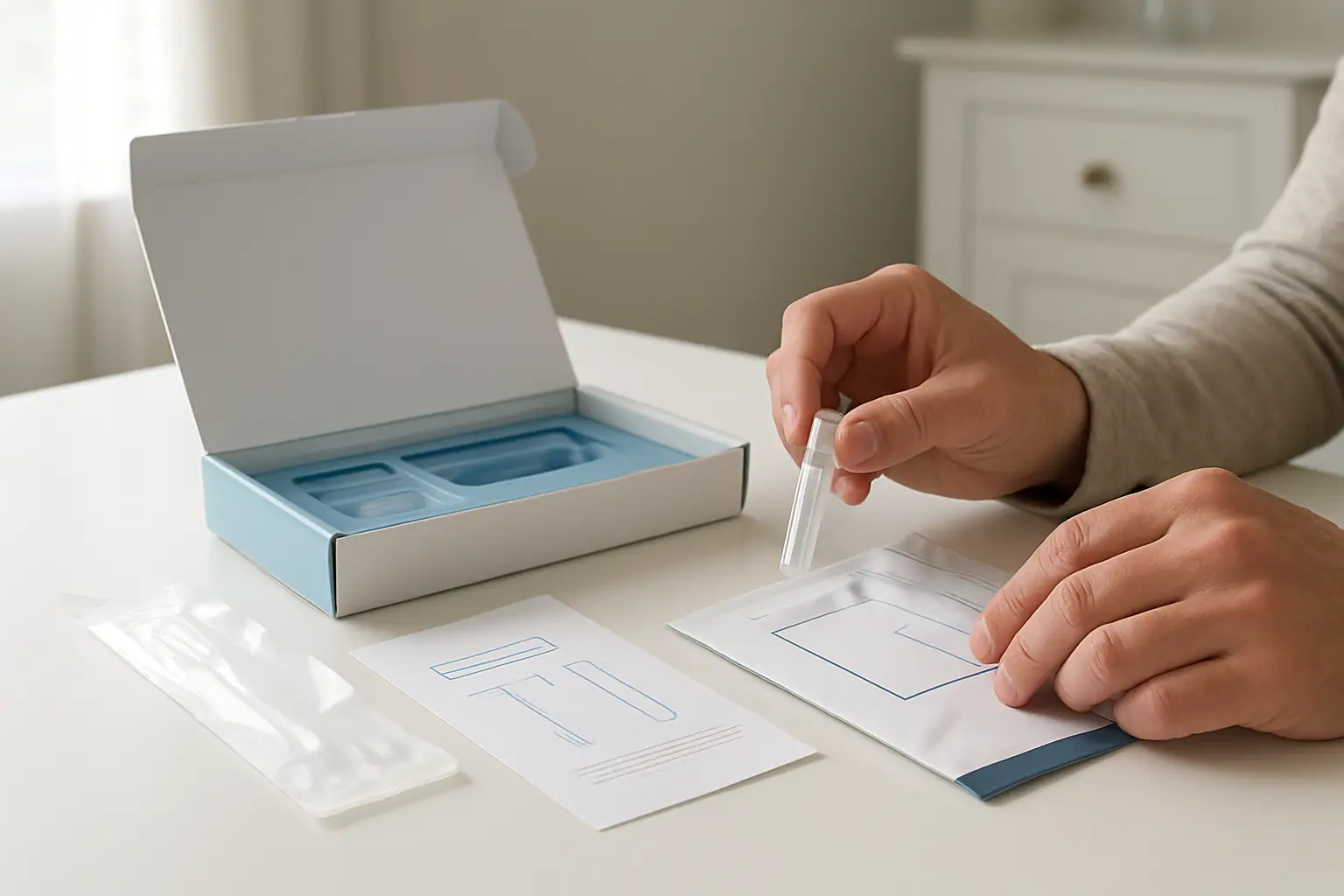
Some Canadians choose to discuss nutrition-related genetic results with a naturopathic doctor (ND) for personalized lifestyle advice. Ordering an at-home Methylation Test in Canada can provide valuable information as part of this broader health discussion.
When choosing a practitioner, look for someone familiar with genetic wellness testing who considers your total health history rather than relying on a single variant. If a significant inherited condition is flagged, your doctor may refer you to a clinical genetics specialist.
Questions to bring to your appointment:
Important Consumer Note: Direct-to-consumer genetic testing varies considerably in purpose and methodology. Canadian government sources note that consumers may use these services for health, nutrition, or ancestry, and companies differ in how they manage genetic privacy. Always evaluate at-home results alongside professional medical guidance.
Explore how at-home genetic testing works in Canada or read our in-depth comparison of provincial public coverage versus at-home testing options.